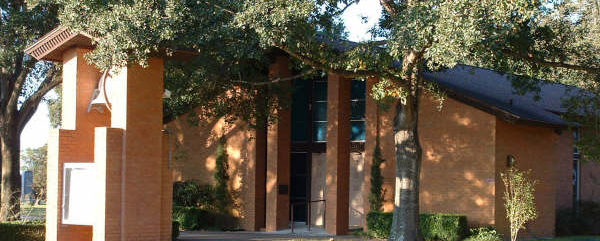
Welcome to Christ Lutheran Church
Divine Service 10:30 am
We provide a traditional LCMS service using the Lutheran Service Book (LSB) every Sunday morning at 10:30am central time, preceded by Bible Study and Sunday School at 9:00am. If you are unable to attend, the services can also be viewed online via Facebook Live. (Facebook account required.)
Activities
Click on the heading to see the full post
- Sunday November 25
Greetings in the name of Jesus, our Redeemer. By the sacrifice of His perfect life, you and I have been acquitted of our sin. As St. Paul writes in the third chapter of his letter to the Romans, God put Jesus forward as a propitiation by His blood, to be received by faith. Attend worship Sunday to learn more about what this means.
On November 1, we will observe All Saints Day. We will set aside time during the service to recall those who died as Christians. Send Pastor the names of Christians you knew who have passed away since November 2025, and we will read them during the service.
On Sunday, October 25, we will be observing an anniversary of the Reformation, triggered by a special event in the history of the church. Martin Luther, a Roman Catholic monk of the 16th century, posted notice that he was challenging leaders in the church to reform the church and change their teaching that penance and our efforts contribute to our entry into heaven. Their teaching was obscuring the work of Jesus. Luther pointed instead to the gospel, that is, the good news that by His death and resurrection, Jesus alone has done everything necessary for us to have eternal life. God in His grace offers it to you as a gift. Through baptism He gives you His righteousness, a right relationship with God. It is a righteousness spoken of throughout the Bible, and you can receive the gift by believing in Jesus, the Son of God, as your savior from sin, death, and the devil.
On October 25 we will follow a modified version of the liturgy of Divine Service Setting One on page 151 of the LSB hymnal. Hymns chosen for the day are #566 By Grace I’m Saved; #940 Holy God, We Praise Thy Name; #580 The Gospel Shows the Father’s Grace; #567 Not What These Hands Have Done; and #656 A Mighty Fortress is Our God.
Scripture lessons for the day are Psalm 46:1-11; Revelation 14:6-7; Romans 3:19-28; and John 8:31-36.
COLLECT: Almighty and Gracious God, pour out Your Holy Spirit on Your faithful people. Keep us steadfast in Your grace and truth. Protect and deliver us in times of temptation. Defend us against all enemies, and grant Your Church Your saving peace; through Jesus Christ, Your Son, our Lord and Savior, who lives and reigns with You and the Holy Spirit, one God, now and forever. Amen.
Please let me know if you have any prayer requests, or questions about Sunday’s Scripture lessons, or upcoming events. God bless you. Pastor Boster
- October 18 service
Good evening. I pray you are enjoying God’s blessings, especially the comfort of His forgiveness granted through His Son, Jesus.
Our local LWML ladies are collecting empty inkjet cartridges. A company will pay the church a recovery fee for the cartridges, and will recycle them. Contact Cindy Boster if you have questions about the program.
All Saints’ Day will be observed November 1. We will name Christian friends and loved ones who have left this life this past year, and now await Jesus’ return and the day of the resurrection of all flesh. Please give Pastor names of those you would like remembered.
On Sunday, October 18 we will follow a modified version of Divine Service Setting One beginning on page 151 of the LSB hymnal. Hymns chosen for the day are #549 All Hail the Power of Jesus’ Name; #577 Almighty God, You Word Is Cast; #619 Thy Body Given For Me, O Savior; #643 Sent Forth By God’s Blessings. Hymn #822 Alleluia! Let Praises Ring will be sung as the Hymn of Praise.
Scripture lessons assigned to the day, Twenty-first Sunday after Pentecost (Proper 24) are Psalm 96:1-10; Isaiah 45:1-7; 1 Thessalonians 1:1-10 and Matthew 22:15-22.
Jesus’ ministry was constantly opposed by religious leaders. They refused to honor Him as the Son of God and their savior from sin. In Matthew’s gospel account, the religious leaders attempted “to entangle him in his words” by asking about the payment of taxes to Caesar (Matt. 22:15). The Lord responded that people should “render to Caesar the things that are Caesar’s, and to God the things that are God’s” (Matt. 22:21). But that leads to other questions—what belongs to Caesar (government), and what belongs to God. Is there anything that is outside of God’s jurisdiction? As descendants of Adam and Eve who were created in the image of God, we must be rendered to God. That “tax” is paid for us by the Lord Jesus. He is the image of God in the flesh, and He made the payment by His self-offering on the cross. And from His cross, as the Lord’s anointed, Jesus reigns as the true ruler over all nations “from the rising of the sun and from the west” (Is. 45:6).
In the prophecy of Isaiah, God announced that He would use Cyrus (the 6th century BC ruler of Persia) to accomplish His goals, including “to subdue nations before him and to loose the belts of kings” (Is. 45:1). God will use even pagans to benefit His people. Whatever political leaders may come and go, the true God, Father Son and Holy Spirit, remains in power over all things. Be sure to honor and serve Him. Just as St. Paul points out to the Thessalonians, by the preaching of the Gospel, “in power and in the Holy Spirit” (1 Thess. 1:5), foreigners from all over the world are “turned to God from idols to serve the living and true God” (1 Thess. 1:9–10).
COLLECT: O God, Your divine wisdom sets in order all things in heaven and on earth. Put away from us all things hurtful and give us those things that are beneficial for us; through Jesus Christ, Your Son, our Lord, who lives and reigns with You and the Holy Spirit, one God, now and forever. Amen.
Please let me know if you have any prayer requests or questions about the lessons to be read Sunday. God bless you. Pastor Boster
- September 27 service
Grace and peace to you from God the Father, and Jesus, His Son, our Savior.
On Sunday, September 27, we will follow the liturgy of Divine Service Setting One beginning on page 151 of the LSB hymnal. Hymns chosen for the day are #810 O God of God, O Light of Light; #614 As Surely as I Live God Said; #627 Jesus Christ, Our Blessed Savior; and #687 Thine Forever, God of Love.
Scripture lessons assigned to the Eighteenth Sunday after Pentecost by the three-year lectionary are Psalm 25:1-10; Ezekiel 18:1-4, 25-32; Philippians 2:1-18; and Matthew 21:23-32.
The life of a Christian is one of daily repentance and faith, turning from sin and believing in Jesus. The righteous and just God says in His Law, “The soul who sins shall die” (Ezek. 18:4). However, because God is also gracious and merciful, and takes “no pleasure in the death of anyone” (Ezek. 18:32), He calls sinners through the gospel to repentance and faith in His gift of forgiveness of sins, paid for by the sacrifice of Jesus’ perfect sinless life given to redeem each of us. The man who listens to God’s word, and turns away from his wickedness, who lives by the grace of God, “shall surely live; he shall not die” (Ezek. 18:28). This way of repentance relies on Jesus and the heart-changing work of the Holy Spirit. Jesus “humbled himself by becoming obedient to the point of death” (Phil. 2:8). His power is shown in His resurrection from the dead. Indeed, “God has highly exalted him and bestowed on him the name that is above every name” (Phil. 2:9). The powerful name of Jesus was placed upon you as you were baptized, even as God’s forgiveness was applied to you. Connected to Jesus we are to “shine as lights in the world” (Phil. 2:15), humbly looking to the needs of others. Through His words preached and applied in the sacraments, Jesus continues to apply the authority that He has received from His Father (Matt. 21:23–27). Because Jesus forgives sins, even “the tax collectors and the prostitutes go into the kingdom of God” (Matt. 21:31–32). So, receive Jesus’ gift of forgiveness. Turn, and live.
COLLECT: Almighty God, You exalted Your Son to the place of all honor and authority. Enlighten our minds by Your Holy Spirit that, confessing Jesus as Lord, we may be led into all truth and serve you with holy living; through Jesus Christ, Your Son, our Lord, who lives and reigns with You and the Holy Spirit, one God, now and forever. Amen.
Let me know if you have any prayer requests or questions or concerns about the Scripture lessons. God bless you. Pastor Boster
- September 20 service
Brothers and sisters, God does some of His work through us. In our daily vocations whether parent or child, employer or employee, as brother or sister, in whatever job you may do to earn a living, in whatever roles and tasks you may serve, God will use you as His instrument to help and provide for your neighbor. Christians recognize we serve those vocations by God’s grace through faith in Jesus our Savior, who served us by dying for us to redeem us from sin. We assemble in church where He offers forgiveness and comfort for troubled souls. God wants you to receive. I encourage you to attend.
On Sunday, September 20, we will follow the liturgy of Divine Service Setting One beginning on page 151 in the LSB hymnal. Hymns chosen for the day are #538 Praise Be to Christ; #555 Salvation Unto Us Has Come; and #618 I Come, O Savior to Thy Table. I have chosen only three hymns since we will also sing a couple of verses of #555 as the closing hymn.
Scripture lessons assigned to the day in the three-year lectionary (Seventeenth Sunday after Pentecost, Proper 20) are Psalm 27:1-9, 14; Isaiah 55:6-9; Philippians 1:12-30; and Matthew 20:1-6.
In our various vocations, serving our neighbor for God, we disciples are “laborers for his vineyard” (Matt. 20:1). Whatever our particular roles or stations in life may be, we are called to live and serve by faith in His promises fulfilled in Jesus. But we should know that our labors do not merit or earn anything before Him, for He is already generous to one and all without partiality. In mercy, God continues to call sinners to repentance and faith. That is to say, we are equal when it comes to salvation and the reward of heaven. Our “pay” is the same. “The last will be first, and the first will be last”. We receive heaven and its benefits only because God is merciful and Jesus has paid our entry fee. He died in order to pay your debt of sin, and broke down the sin barrier that separated you from God. (Matt. 20:12–15). This way of the Lord is foolishness to the world and foreign to our thoughts. (Isaiah 55:6-9). God is not calling you work harder or longer. He is urging all people in all vocations to turn to His Son, Jesus, that He may “have compassion” and “abundantly pardon” each of them (Is. 55:7). We disciples ought to bravely share the good news of forgiveness and eternal life in Jesus Christ, “whether by life or by death” (Phil. 1:20), by “fruitful labor” (Phil. 1:22) or if called to suffer for His sake (Phil. 1:29) as St. Paul did. It is by God’s grace through faith in Jesus’ forgiveness that your manner of life is “worthy of the gospel” (Phil. 1:27).
COLLECT: Lord God, Heavenly Father, since we cannot stand before You relying on anything we have done, help us at all times to trust in Your abiding grace and live according to Your Word; through Jesus Christ, Your Son, our Lord, who lives and reigns with You and the Holy Spirit, one God, now and forever. Amen.
Please let me know if you have any prayer requests or questions about Sunday’s Scripture lessons. The Lord be with you. Pastor Boster
- September 13 Service
Greetings in the name of our Savior, Jesus. Psalm 122 is ascribed to be a psalm of David. It is also a psalm of ascents, the kind of song people would sing on their way going up the mountain preparing for worship. The lyrics do not express reluctance or weariness, but anticipation and joy. The Psalm begins on a happy note, “I rejoiced with those who said to me, “Let us go to the house of the Lord.”” Jerusalem, the city of David, located on Mt. Zion, and the place the tribes of God went to praise His name. The people of God looked forward to going there to be assured of His care for them. Divine Service at the church is also such a place; God distributes the gifts of forgiveness that Jesus earned for us. And we respond with praise. I invite you to attend this week’s worship so I can rejoice with you.
Note a change in the service Sunday, September 13. We will be using the liturgy for Divine Service Setting One beginning on page 151 in the LSB hymnal. The hymns for the day are #812 Come, Let Us Join Our Cheerful Songs; #843 Forgive Our Sins as We Forgive; #611 Chief of Sinners, Though I Be; and #852 O God of Mercy, God of Might.
Scripture lessons are Psalm 103:1-13, 22; Genesis 50:15-21; Romans 14:1-12; and Matthew 18: (15-20) 21-35.
Jesus Christ, God’s begotten Son, died on a cross for you to pay for your sin. Jesus rose from the dead, opening heaven and eternal life to you. We receive His gifts through faith in Him. because Jesus has paid the cost of our sin, our heavenly Father does not act toward us with anger, but with compassion. He does not imprison us as our disobedience deserves, but He forgives all our debts and releases us (Matt. 18:23–27). Therefore, our Lord bids you also to have “mercy on your fellow servant” and “forgive your brother from your heart” (Matt. 18:33, 35). By the Lord’s forgiveness of our sins, we are free to forgive those who sin against us, because He has paid our entire debt with His lifeblood. As a result, whether we live or die, we “are the Lord’s” (Rom. 14:8). Since we all will “stand before the judgment seat of God,” we are not to despise our brother (Rom. 14:10), but gladly forgive him. The patriarch Joseph had been sold into slavery by his brothers. Joseph ended up in Egypt, and as God helps him he ends up being a government leader in charge of the nation’s food supply.. When a famine hits the region, the brothers travel to Egypt to ask for food. After so many years apart, they do not recognize Joseph. Joseph could have had them arrested or killed out of revenge for the mistreatment decades earlier. But Joseph forgives. He becomes an example of how we should forgive those who hurt us. We forgive by letting Jesus’ forgiveness flow through us. Lord, help us to forgive!!
COLLECT: O all-knowing and almighty God, without Your grace and blessing we cannot please You. Mercifully continue to grant us Your Holy Spirit to direct and govern our hearts in all things ; through Jesus Christ, Your Son, our Lord, who lives and reigns with You and the Holy Spirit, one God, now and forever. Amen.
Please let me know if you have any prayer requests or questions about Sunday’s lessons. God bless you. Pastor Boster